
Diabetes is a rapidly spreading chronic condition worldwide. It’s estimated that millions of adults are living with diabetes without knowing it. Since type 2 diabetes develops slowly, the initial symptoms are often overlooked or attributed to normal tiredness or stress.
Our doctors at Parkview Internal Medicine firmly believe that early diagnosis is crucial in warding off severe complications. Being familiar with the early signs of diabetes in adults can prompt you to get medical help in time, thus avoiding permanent harm.
See what else we can offer: Parkview Internal Medicine Physicians
What Is Diabetes?
Diabetes is a persistent disorder that interferes with the body’s ability to use glucose (blood sugar) properly. When glucose stays elevated for an extended time, it can lead to damage of blood vessels, nerve cells, kidneys, eyes, and the heart.
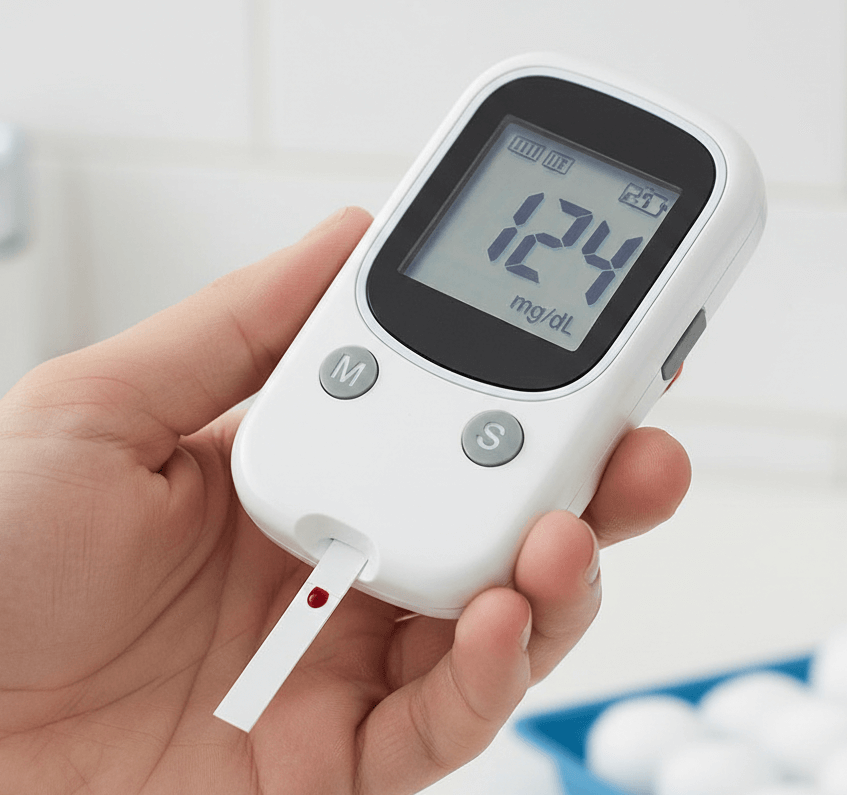
Main types of diabetes
- Type 1 diabetes : An autoimmune disorder, usually identified in childhood
- Type 2 diabetes : The most prevalent in adults, mainly caused by lifestyle factors
- Prediabetes : Is characterized by raised blood sugar levels but not high enough to be considered diabetic By being diagnosed early, one can properly control the disease and, in many instances, avoid worsening.
What are the early signs of diabetes in adults?
1. Frequent Urination (Polyuria)
Going to the toilet more frequently than usual, especially at night, is one of the earliest symptoms of diabetes.
See a doctor if:
- You wake up several times during the night to urinate.
- You observe a sudden change in your urinary habits
2. Excessive Thirst (Polydipsia)
It is simply a vicious cycle. Further going to the toilet results in dehydration, which then leads to constant thirst even after drinking water.
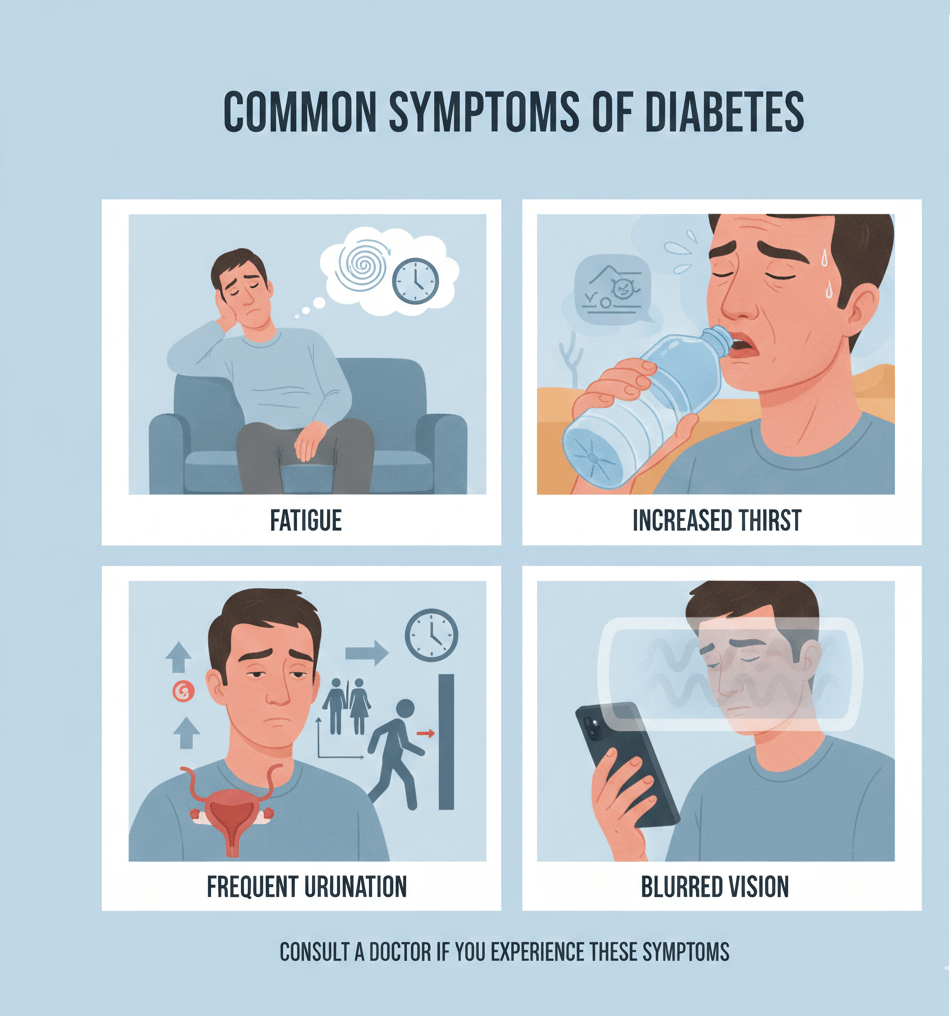
That is not only a symptom but a warning sign if it is accompanied by:
- dry mouth
- fatigue
- headaches
3. Unexplained Fatigue
Glucose is the main energy provider for the body. When insulin is not functioning properly, glucose cannot get into the cells; as a result, you feel tired and weak.
Some common complaints are
- Feeling exhausted even after a good sleep
- Energy is low throughout the day

4. Increased Hunger (Polyphagia) One of the symptoms of early diabetes is that you can be hungry very quickly after eating, because glucose is not absorbed into the cells properly.
5. Blurred Vision Elevation of glucose level can lead to fluid shift in the eyeball, thus disrupting the focus and clarity of vision. Temporary blurred vision may get better with blood sugar control, but if diabetes is left untreated, it can result in permanent eye damage.
6. Slow-Healing Wounds Have you noticed that your wounds, no matter how small, take an unusually long time to heal? This could be one of the signs of poor diabetic blood circulation.
7. Frequent Infections High sugar levels interfere with the working of the immune system; hence, the body is more vulnerable to:
-
- Urinary tract infections
- Skin infections
- Yeast infections
8. Tingling or Numbness in Hands and Feet ,The earliest sign of nerve damage (diabetic neuropathy) may be the tingling or Despite consuming a normal diet or even increasing their food intake, some individuals lose weight without explanation because their bodies turn to fat and muscle breakdown for energy.
Acanthosis nigricans is characterized by dark, velvety skin around the neck, armpits, or groin and can be a symptom of insulin resistance.
Prediabetes vs Diabetes: Why Early Detection Matters
| Feature | Prediabetes | Diabetes |
|---|---|---|
| Blood Sugar | Slightly elevated | High |
| Symptoms | Mild or none | More noticeable |
| Reversible? | Yes | Manageable |
Who Is at Higher Risk?
Amongst adults, those at a higher risk are:
- Family history of diabetes
- Overweight or obesity
- Sedentary lifestyle
- High blood pressure
Fasting blood glucose test, HbA1c test, Oral glucose tolerance test , View our medical services.
- How Diabetes Is Managed
- Lifestyle Management
- Healthy eating
- Consistent exercise
- Maintaining a healthy weight
- Reducing stress
- Medical Management
- Oral medications
- Insulin (if needed)
- Regular monitoring
Our doctors plan care around the needs of patients.

Meet Our Internal Medicine Physicians
Both doctors are focused on chronic disease management and preventive care.
Patient Experiences
See what patients have to say about their care: Patient testimonials
When Is It Necessary to Visit a Doctor?
If you have:
Various symptoms mentioned above
- Feeling extremely tired or thirsty
- continuous diabetes in family history
Frequently Asked Questions (FAQ)
- Is it possible to prevent diabetes?
Yes, by adopting a healthy lifestyle, one can lower the risk significantly.
- Can type 2 diabetes be reversed?
With treatment, it is possible to control or even reverse early-stage type 2 diabetes.
- What is the frequency of screening for adults?
Adults over the age of 35 or those with risk factors should get checked on a yearly basis.
Conclusion
Identifying the signs of diabetes early in adults may prevent them from getting serious health problems later. With early detection, you can keep yourself healthy, and the complications will be fewer.
Read More Health Articles in Blog
Recent Comments